
Valvular Heart Disease
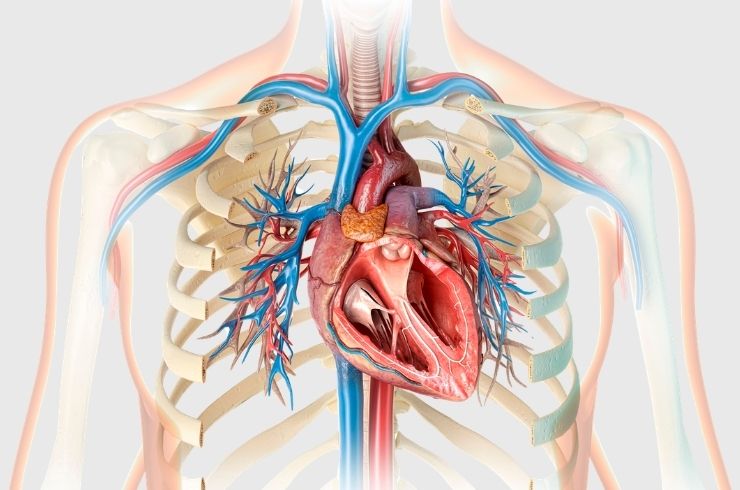
Valvular Heart Disease in Surat for Comprehensive Heart Valve Evaluation and Management
Valvular heart disease occurs when one or more of the heart valves become narrowed, fail to close properly, or develop structural abnormalities that affect normal blood flow. These conditions may develop gradually and require regular cardiac evaluation to understand their severity and impact on heart function. Valvular heart disease assessment in Surat includes the evaluation of heart murmurs, echocardiographic assessment of valve function, and monitoring of identified abnormalities. Appropriate medical management and timely assessment for valve intervention help guide treatment decisions and support long-term cardiovascular health.
Comprehensive Heart Valve Evaluation & Care
Heart valve assessment involves evaluating symptoms, clinical findings, and diagnostic reports to understand the type and severity of valve disease. Individualised care helps determine suitable treatment and follow-up requirements.
Evaluation of heart murmurs and suspected valve disease
Assessment of aortic, mitral, tricuspid, and pulmonary valve conditions
Echocardiographic evaluation of valve narrowing and leakage
Assessment of the severity and progression of valve abnormalities
Evaluation of associated changes in heart function
Medical management of diagnosed valvular heart conditions
Regular monitoring and follow-up of valve function
Assessment for valve intervention when clinically indicated
Review of cardiac investigations and treatment recommendations
Long-term monitoring to support cardiovascular health
Key Aspects of Valvular Heart Disease Management
Heart Murmur & Valve Disease Evaluation
A heart murmur is an unusual sound detected during a heartbeat and may indicate altered blood flow through the heart valves. Clinical evaluation helps determine whether further investigations are required to identify an underlying valve condition.
Echocardiographic Assessment of Heart Valves
Echocardiography uses ultrasound imaging to assess the structure and function of the heart valves. It helps identify valve narrowing (stenosis), leakage (regurgitation), and their effects on overall heart function.
Medical Management & Regular Monitoring
The management of valvular heart disease depends on the affected valve, severity of the condition, and its impact on heart function. Appropriate medical treatment and regular follow-up help monitor changes and guide ongoing care.
Assessment for Valve Intervention
Some valve conditions may require specialised procedures when abnormalities become severe or significantly affect heart function. Cardiac assessment helps determine when intervention may be appropriate and whether further specialist evaluation is needed.
Personalised Care for Long-Term Valve Health
Valvular heart conditions can vary in their severity, progression, and effect on overall cardiac function. A personalised approach considers echocardiography findings, clinical symptoms, medical history, and individual treatment needs. Regular monitoring helps track changes in valve function, assess treatment response, and identify when further evaluation or intervention may be necessary.